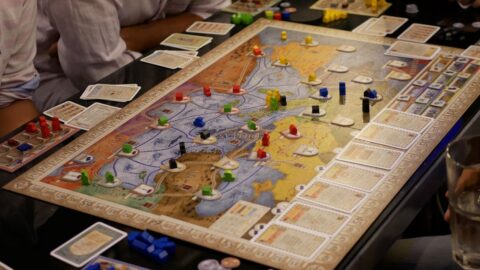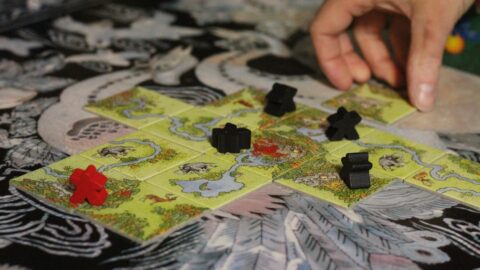
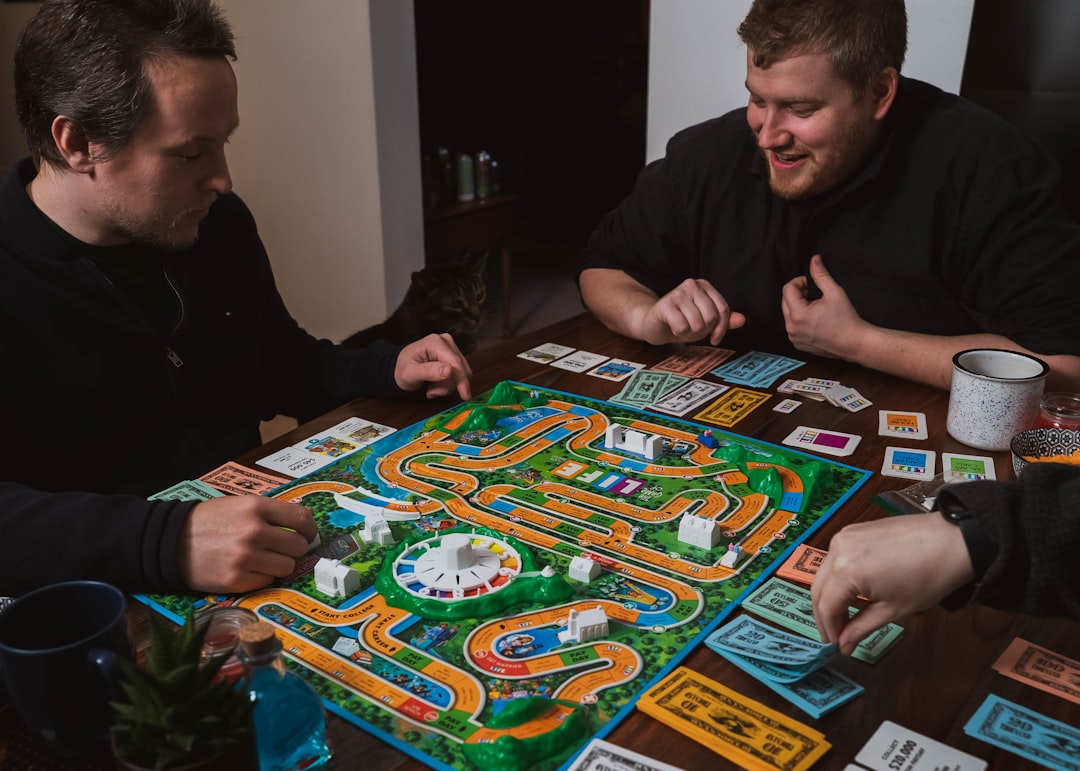
Two people sitting across a board game table do not play a zero-sum game. They play a cooperative puzzle wearing a competitive mask. The moment one player tries to outmaneuver the other, the game breaks. The board state becomes impossible to resolve, the turns drag, and the fun evaporates. This is not a failure of the couple’s relationship. It is a failure of the game’s design to align with the player count.
When you look for the best 2 player board games for couples, you are not looking for a contest. You are looking for a shared experience where the board itself is the opponent. The best games for two people do not pit players against each other; they pit players against a system. They require communication, shared failure, and a willingness to sacrifice individual points for collective survival. If you treat a two-player game as a competition, you will lose. If you treat it as a shared puzzle, you will find the strategy that actually works.
The Two-Player Paradox: Why Competition Fails
Most board games are designed for three or more players. In a three-player game, Player A can block Player B while Player C focuses on scoring. The dynamic is fluid. In a two-player game, Player A’s move is Player B’s direct reality. There is no third party to absorb the impact. Every action is a direct counter-action. This creates a feedback loop of denial. If Player A takes a resource, Player B cannot take it. If Player A blocks a path, Player B cannot use it.
This is why standard competitive games fail at two players. The game becomes a game of “who can stop the other from winning” rather than “who can win.” The strategy shifts from optimization to obstruction. Players stop trying to build their own engine and start trying to break the other person’s. The result is a stagnant, negative-sum game where both players end up with fewer points than they could have had if they had simply worked together.
Shared failure is the antidote. When a game is designed for two players, the best ones build in mechanics that force cooperation. They create a shared goal that both players must achieve. If one player fails, both players fail. This aligns the incentives. It turns the game into a puzzle where the two players are the solution. The board is the obstacle. The dice are the randomizer. The players are the constant.
Cooperative Games That Feel Like Competition
Not all two-player games are cooperative. Some are purely competitive. Some are asymmetric. The best games for couples fall into a third category: games that feel competitive but are structurally cooperative. They allow players to pursue different goals, but those goals are constrained by a shared timer or a shared resource pool. If one player goes too far ahead, they break the game. If one player falls too far behind, they drag the other down.
Consider 7 Wonders Duel. It is a card drafting game. It is also a race. Each player builds a civilization. They draft cards to build wonders, develop science, and expand their city. The game ends when one player completes their third age. The player with the most points wins. On the surface, it is a competition. In practice, it is a race against the clock. If Player A moves too fast, Player B cannot catch up. If Player A moves too slow, Player B wins by default. The strategy is not to beat Player B. The strategy is to pace yourself so that Player B cannot catch you, but you do not leave them so far behind that they cannot catch up.
This is the core of the best 2 player board games for couples. It is a balancing act. It requires you to watch your opponent’s progress, not to stop them, but to calibrate your own. You are not trying to win. You are trying to stay in the game. The moment you stop trying to win, you start trying to stay in the game. The moment you start trying to stay in the game, you start playing the board, not the person.
Asymmetric Games: Playing Different Roles, Same Goal
Asymmetric games give each player a different set of tools, rules, or goals. In Root, the Marauders play a clock. They score points by controlling cities. The Birds play a war game. They score points by destroying the Marauders. The Vagabond plays a puzzle game. They score points by helping the underdog. The game is not about who has the best strategy. It is about how the strategies interact.
When played by two people, Root becomes a study in tension. The Marauder wants to expand. The Birds want to stop them. The Vagabond wants to survive. The game is not about winning. It is about creating a board state that is interesting. If one player wins too easily, the game is boring. If one player loses too easily, the game is frustrating. The best games for couples are games where the loss is shared.
This is why asymmetric games are so popular with couples. They allow each player to play their own game, while still being part of the same game. They create a dynamic where communication is essential. You cannot win alone. You cannot lose alone. You win together, or you lose together. The board is the common language. The dice are the common enemy. The players are the common solution.
Cooperative Games: The Board Is the Opponent
Cooperative games are the purest form of the two-player experience. There is no winner. There is no loser. There is only the board. If the players win, they win. If the players lose, they lose. The game is a puzzle. The players are the solution.
Consider Pandemic. It is a game about saving the world. Four players work together to cure four diseases. They move around the board, treating outbreaks, building research stations, and discovering cures. The game is not about who cures the most diseases. It is about curing all four diseases before the diseases cure themselves. The game is a race against time. The game is a race against randomness. The game is a race against each other.
When played by two people, Pandemic becomes a study in trust. You cannot save everyone. You cannot cure everything. You have to choose. You have to trust your partner to make the right choice. You have to trust your partner to make the choice you would not make. It is a test of trust. It is a test of communication. It is a test of shared failure.
How to Choose the Right Game for Your Table
Choosing the right game for your table is not about complexity. It is about compatibility. It is about finding a game that matches your communication style, your tolerance for randomness, and your desire for shared failure. If you like to argue, play a competitive game. If you like to collaborate, play a cooperative game. If you like to balance, play a two-player game.
The best games for couples are games that allow you to play your own game, while still being part of the same game. They are games that turn the board into a puzzle and the players into the solution. They are games that make you laugh, make you think, and make you feel like a team.
If you are looking for the best 2 player board games for couples, start with a game that has a shared goal. Start with a game that has a shared timer. Start with a game that has a shared resource pool. Start with a game that has a shared failure state. Start with a game that makes you feel like a team. That is the strategy. That is the secret. That is the point.
FAQ
What is the best 2 player board game for beginners?
7 Wonders Duel is the best entry point. It is a card drafting game that is easy to learn, hard to master, and perfectly balanced for two players. It teaches you how to pace yourself, how to read your opponent, and how to stay in the game.
Are cooperative games better for couples?
Cooperative games are not inherently better. They are different. They remove the competition and replace it with collaboration. They are ideal for couples who want to work together. They are less ideal for couples who want to compete. Choose based on your relationship dynamic.
How do I handle losing in a two-player game?
By treating the loss as shared. By recognizing that the board is the opponent. By understanding that the game is a puzzle, not a contest. By focusing on the next game, not the last one. By celebrating the shared failure, not the individual victory.
What is the most replayable 2 player game?
Root is the most replayable. The asymmetric factions create a different experience every time. The board state is never the same. The strategies are never the same. The outcomes are never the same. It is a game that grows with you.
Can I play competitive games with my partner?
Yes. But you must accept that the game will feel different. You must accept that the strategy will shift from optimization to obstruction. You must accept that the fun will come from the competition, not the collaboration. Choose accordingly.
Sources & Further Reading
- 7 Wonders Duel Rulebook — Repos Production
- Root Rulebook — Mayfair Games